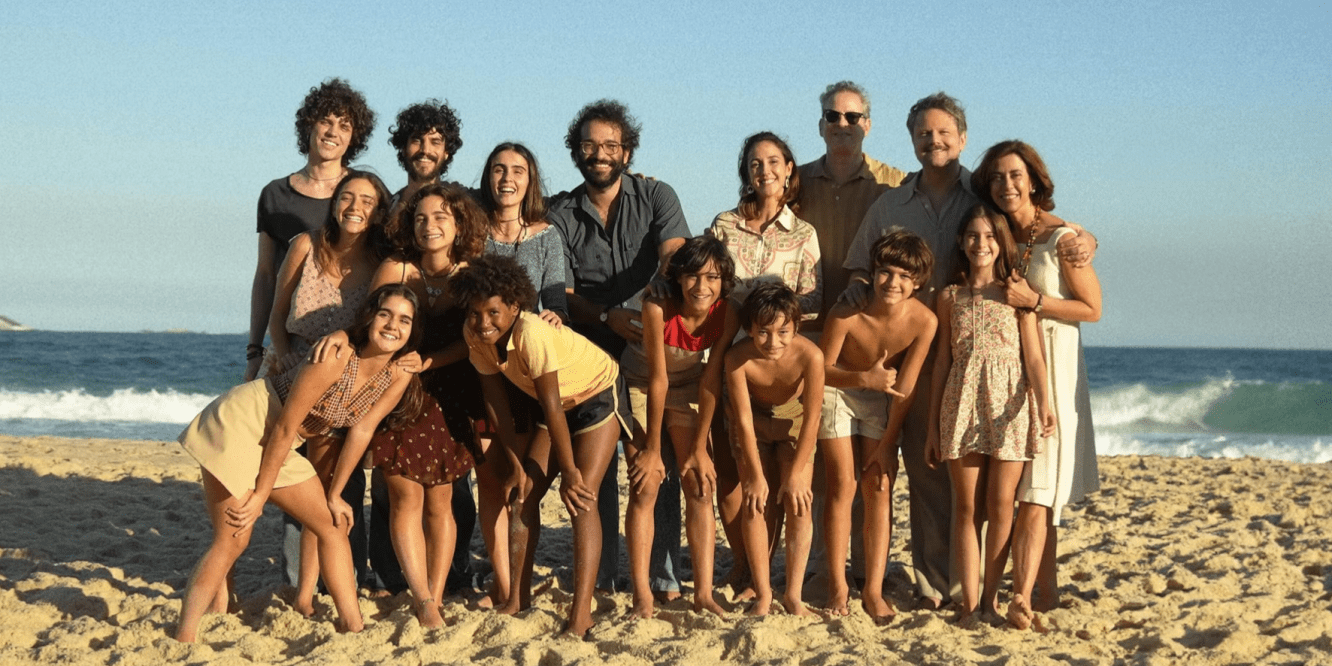
Sem dúvida, AINDA ESTOU AQUI é um dos filmes a ser visto obrigatoriamente em 2024. Por múltiplas razões.
Quem acompanha a carreira de Walter Salles (68 anos, 33 filmes como diretor) certamente ainda tem vivas na memória as emoções que experimentou em CENTRAL DO BRASIL (1998), fácil um dos melhores filmes nacionais de todos os tempos.
A repercussão mundial em torno de AINDA ESTOU AQUI é outro desses fatores. O barulho positivo no Festival de Veneza (dez minutos de aplauso ao final da sessão) e o prêmio de Melhor Roteiro para Heitor Lorena e Murilo Hauser, somente se somaram a uma unanimidade internacional a favor do filme.
A possível indicação (ou mais de uma) ao Oscar 2025 é outra delas. Terá Fernanda Torres a chance, 27 anos depois, de ganhar o Oscar que a Academia injustamente tirou de sua mãe por seu trabalho em CENTRAL DO BRASIL?
O filme entrega tudo o que prometeu. É, acima de tudo, brilhantemente feito, com um resultado emocionante e profundamente humanista. É daqueles filmes que emociona muito durante a exibição e deixa muitas reflexões nos dias seguintes.
Walter Salles tem muito controle do que coloca na tela. O filme já foi definido como minimalista. Realmente o enredo se prestava a cenas grandiloqüentes e diálogos bombásticos. Eles não estão no filme. Ou ao menos, as melhores cenas e diálogos são ditos a meia voz e encenadas em lugares propositadamente pouco iluminados.
Um destaque para os objetos simbólicos (riquíssimos) em cena. Espelhos, fotografias, gavetas, a casa, o cachorro, o dente da filha. Tudo simboliza alguma coisa muito forte e evocativa.
Claro que o foco central do filme é esta mulher incrível, Eunice Paiva, a matriarca da Família Paiva, atropelada e dilacerada pelo sequestro e morte de Rubens Paiva pela Ditadura Militar.
Selton Mello segue primoroso na construção de seu personagem. Rubens é magnético e agregador nos 60 minutos que aparece. Naquele primeiro período de felicidades praia ensolarada ele é o elemento central da família, o líder que une todos.
Quando ele desaparece, Eunice sai do papel de coadjuvante (será que em algum momento ela era mesmo coadjuvante ou apenas parecia ser?) e assume a direção de tudo. Com cinco filhos por criar, sem dinheiro, vigiada pelos militares e arrasada pelo ocorrido, ela apenas se dá o direito de chorar por raros momentos, de lado, antes da filha entrar.
Talvez este seja afinal o eixo central do filme. A história de uma mulher de força impressionante. E que tem um tal entendimento da vida que, apesar de viver uma tragédia ímpar, volta a estudar aos 48 anos, se muda com a família para São Paulo, enfrenta todas as barreiras que surgem (o acidente com o filho menor Marcelo) e ainda impõe a todos um simbólico sorriso nas fotos familiares.
Fernanda Torres merece todos os prêmios que vier a ganhar. Seu trabalho é daqueles que a gente Vê nas telas de dez em dez anos. Impressionante, eterno e dilacerante. Uma atriz que chegou à maturidade plena e controla a arte de representar com maestria.
Uma palavra sobre o trecho final do filme. Não concordo que seja redundante ou supérfluo. Achei a participação de Fernanda Montenegro sublime. Mostrou como ser altamente expressiva sem falar. E , de quebra, lançou outro tema poderoso: “os problemas que a longevidade aumentada dos dias atuais está criando e ainda vai criar”.
AINDA ESTOU AQUI consegue o raro equilíbrio entre contundência e humanismo. É tão violento (pelo contexto e não pelas cenas) quanto solidário e afetuoso.
É um filme para se ver e rever. E meditar muito sobre o que nos diz.
Without a doubt, I’M STILL HERE is one of the films that must be seen in 2024. For many reasons.
Those who have followed the career of Walter Salles (68 years, 33 films as a director) certainly still have vivid memories of the emotions he experienced in CENTRAL STATION (1998), easily one of the best national films of all time.
The worldwide repercussion surrounding I’M STILL HERE is another of these factors. The positive buzz at the Venice Film Festival (ten minutes of applause at the end of the session) and the award for Best Screenplay for Heitor Lorena and Murilo Hauser only added to the international unanimity in favor of the film.
The possible nomination (or more than one) for the 2025 Oscar is another one of them. Will Fernanda Torres have the chance, 27 years later, to win the Oscar that the Academy unfairly took away from her mother for her work in CENTRAL DO BRASIL?
The film delivers everything it promised. Above all, it is brilliantly made, with a moving and deeply humanistic result. It is one of those films that is very moving during the screening and leaves many reflections in the days to come.
Walter Salles has a lot of control over what he puts on the screen. The film has already been defined as minimalist. The plot really lent itself to grandiloquent scenes and bombastic dialogues. They are not in the film. Or at least, the best scenes and dialogues are said in a low voice and staged in places that are deliberately poorly lit.
A highlight is the (very rich) symbolic objects in the scene. Mirrors, photographs, drawers, the house, the dog, the daughter’s tooth. Everything symbolizes something very strong and evocative.
Of course, the central focus of the film is this incredible woman, Eunice Paiva, the matriarch of the Paiva Family, run over and torn apart by the kidnapping and death of Rubens Paiva by the Military Dictatorship.
Selton Mello continues to build his character exquisitely. Rubens is magnetic and unifying in the 60 minutes he appears. In that first period of happiness on the sunny beach, he is the central element of the family, the leader who unites everyone.
When he disappears, Eunice leaves her supporting role (was she really a supporting character at some point or did she just seem to be?) and takes charge of everything. With five children to raise, no money, watched by the military and devastated by what happened, she only allows herself the right to cry for a few moments, to one side, before her daughter enters.
Perhaps this is the central axis of the film after all. The story of a woman of impressive strength. And who has such an understanding of life that, despite experiencing a unique tragedy, she goes back to school at the age of 48, moves with her family to São Paulo, faces all the obstacles that arise (the accident with her youngest son Marcelo) and still gives everyone a symbolic smile in family photos.
Fernanda Torres deserves all the awards she wins. Her work is the kind that we see on the screen every ten years. Impressive, timeless and heartbreaking. An actress who has reached full maturity and masterfully controls the art of acting.
A word about the final part of the film. I don’t agree that it is redundant or superfluous. I thinked Fernanda Montenegro‘s participation sublime. She showed how to be highly expressive without speaking. And, as a bonus, she introduced another powerful theme: the problems that increased longevity in today’s world is creating and will continue to create.
I’M STILL HERE achieves the rare balance between bluntness and humanism. It is as violent (due to the context and not the scenes) as it is supportive and affectionate.
It is a film to watch and rewatch. And to meditate deeply on what it tells us.

 Cinemarcoblog